%20copy.png)
Services
Locations
Reviews
Articles
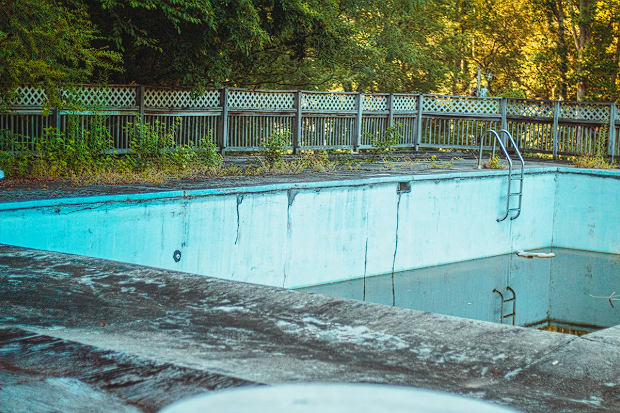
You walked outside expecting your usual sparkling blue pool, but instead found something resembling a swamp.
The water has turned green, visibility extends only inches below the surface, and that familiar pool smell has been
replaced by something musty. Panic sets in as you wonder how this happened and whether green pool water
treatment can actually fix this mess.
Take a breath. Green pools happen to even attentive owners, and recovery is absolutely possible. Understanding
why pools turn green and how green pool water treatment works helps you restore your pool efficiently and
prevent future algae takeovers.
Algae causes green pool water, but algae growth requires specific conditions to take hold. Understanding these
factors helps you address the immediate problem and prevent recurrence.
Low chlorine levels allow algae to flourish. Chlorine kills algae spores before they can multiply. When sanitizer
drops too low, even briefly, algae seizes the opportunity. A few warm days with inadequate chlorine can transform
clear water into a green nightmare.
Poor circulation creates dead zones where algae thrives. Water that does not move becomes stagnant, allowing
algae to establish without being filtered out. Corners, steps, and areas far from return jets often show algae first.
Warm temperatures accelerate algae growth dramatically. Summer heat creates ideal conditions for rapid
multiplication. What starts as a minor imbalance becomes a major algae bloom within days during hot weather.
Phosphates and nitrates feed algae growth. These nutrients enter pools through fertilizer runoff, decomposing
leaves, and even tap water. High nutrient levels make algae blooms more likely and more severe.
Filter problems prevent proper water cleaning. Clogged, damaged, or undersized filters cannot remove algae and
debris effectively. Running the filter insufficient hours compounds circulation problems.
Neglected maintenance allows conditions to deteriorate. Skipped service visits, ignored chemical readings, and
deferred cleaning create cumulative problems that eventually manifest as green water.
Not all green pools require the same green pool water treatment approach. Evaluating severity helps you plan
appropriate responses.
Light green water with visible bottom indicates early stage algae growth. You caught the problem relatively
quickly, and straightforward treatment should restore clarity within a few days. This level responds well to
owner treatment efforts.
Dark green water where the bottom is barely visible suggests moderate algae establishment. Green pool water
treatment will require more aggressive chemical application and extended filtration. Recovery typically takes
four to seven days.
Very dark green or black water with no bottom visibility indicates severe algae infestation. The pool has likely
been neglected for weeks. Treatment requires maximum chemical intervention, and recovery may take over a
week. Professional help often proves worthwhile at this level.
Debris accumulation complicates any green pool situation. Leaves, branches, and organic matter on the bottom
feed algae and consume treatment chemicals. Heavy debris loads may require partial draining before effective
green pool water treatment can begin.
Restoring a green pool follows a systematic process. Each step builds on previous ones, and skipping steps leads
to incomplete recovery or rapid algae return.
Remove large debris first before adding any chemicals. Net out leaves, branches, and floating material. If the
bottom is visible, vacuum debris to waste rather than through the filter. This prevents clogging your filter and
removes organic matter that would consume treatment chemicals.
Test and balance water chemistry before shocking. Check pH and adjust to between 7.2 and 7.4. Lower pH allows
chlorine to work more effectively against algae. High pH during green pool water treatment wastes chemicals and
extends recovery time.
Brush all pool surfaces vigorously. Algae clings to walls, floors, and steps with a protective layer that resists chemical
penetration. Brushing breaks this layer, exposing algae cells to treatment chemicals. Brush thoroughly even if you
cannot see the surfaces clearly.
Shock the pool with high chlorine doses. Green pool water treatment requires chlorine levels far above normal
maintenance ranges. Use calcium hypochlorite or liquid chlorine rather than stabilized products. Stabilized chlorine
adds cyanuric acid you likely do not need and works more slowly.
The amount of shock needed depends on severity. Light green pools might need two to three pounds of shock per
10,000 gallons. Moderate cases require three to four pounds. Severe green water may need five pounds or more.
When in doubt, use more rather than less.
Run the filter continuously after shocking. Your filter will work overtime removing dead algae and debris. Backwash
sand or DE filters when pressure rises 8 to 10 psi above clean baseline. Clean cartridge filters every few hours
initially. Expect to clean your filter multiple times during green pool water treatment.
Understanding realistic timelines helps you gauge progress and avoid discouragement. Green pool water treatment
takes time even when done correctly.
Day one focuses on preparation and initial treatment. Remove debris, balance pH, brush thoroughly, and apply
shock treatment. The water will likely look worse initially as brushing stirs up settled algae. Run the filter
continuously starting now.
Day two shows early progress in lighter cases. The green may begin shifting toward blue green or cloudy blue.
Continue running the filter and clean it as needed. Test chlorine levels and add more shock if levels have dropped
significantly. Brush again to loosen remaining algae.
Days three and four bring visible improvement in most green pool water treatment situations. Water clarity
increases noticeably. The bottom may become partially visible. Continue filtration and filter cleaning. Maintain
elevated chlorine levels by adding shock as needed.
Days five through seven complete recovery for moderate cases. Water should approach normal clarity. Some
cloudiness may persist as dead algae particles filter out. Once the water looks good and chlorine holds at
normal levels, the main battle is won.
Severe cases may require additional time. Pools that were extremely green or contained heavy debris loads might
need ten days or more of continuous treatment. Patience and persistence eventually prevail.
Different products play specific roles in algae elimination. Using appropriate chemicals improves results and
avoids wasted money.
Calcium hypochlorite provides fast acting shock treatment. It dissolves quickly, raises chlorine levels rapidly,
and contains no stabilizer. This represents the primary weapon in green pool water treatment for most situations.
Liquid chlorine offers another effective shock option. Sodium hypochlorite works similarly to calcium hypochlorite
but adds no calcium to the water. Pools with high calcium hardness may prefer liquid chlorine.
Algaecide supplements chlorine treatment but should not replace it. Add algaecide after initial shock treatment
has begun working. Quality algaecides help prevent regrowth during recovery and after water clears. Avoid cheap
algaecides that cause foaming or staining.
Clarifiers help filter out fine particles that cause lingering cloudiness. After the main algae is dead, clarifiers bind
tiny particles together for easier filtration. Use these in the final stages of green pool water treatment, not at
the beginning.
Phosphate removers address one cause of algae growth. High phosphate levels feed algae and make blooms
more likely. Testing phosphates and treating if elevated helps prevent future problems.
Flocculant drops suspended particles to the pool floor for vacuuming. This approach works when filtration alone
cannot clear the water. However, flocculant requires vacuuming to waste, losing significant water. Consider this
option for stubborn cases. Professionals handling neglected pools often use this technique.
When DIY efforts feel overwhelming or you want guaranteed results, professional services deliver fast, effective
restoration. Orange County Pool Cleaners offers specialized green pool water treatment through their
dedicated services.
Green Pool Restoration Service
This comprehensive service transforms even the worst algae filled pools back to crystal clear condition.
Complete assessment and customized treatment plan based on your pool's specific condition and
severity level
Professional grade chemicals and equipment that work faster and more effectively than consumer
products
Full service recovery including debris removal, chemical treatment, filter cleaning, and water balancing
until your pool is swim ready
Prevent future green pool problems with ongoing protection designed to stop algae before it starts.
Proactive treatment program that eliminates algae spores before they can multiply and take
over your pool
Regular monitoring and adjustment to maintain optimal chemical levels throughout peak
algae season
Long term protection that reduces the risk of recurring green water and saves money on
emergency treatments
Pool Cleaning and Repair Solutions
Address the underlying issues that allowed your pool to turn green in the first place.
Thorough equipment inspection to identify circulation problems, filter issues, or pump malfunctions
contributing to algae growth
Ongoing maintenance programs that keep chemical levels consistent and prevent conditions that
allow algae to flourish
Expert technicians who understand the connection between equipment health, water chemistry,
and algae prevention
Some situations exceed reasonable DIY efforts. Recognizing when to call for help saves time and
frustration.
Extremely severe cases with black water and heavy debris often benefit from professional intervention.
The volume of chemicals, filter cleaning, and labor involved makes professional service cost effective
compared to DIY struggles.
Equipment problems complicating treatment require professional diagnosis. If your pump, filter, or other
equipment is not working properly, green pool water treatment cannot succeed until repairs happen.
Understanding pump filter heater systems helps identify equipment issues.
Time constraints make professional service valuable. Green pool water treatment demands daily attention
for a week or more. If you cannot commit this time, professionals handle the process while you focus on
other responsibilities.
Recurring green water despite treatment suggests underlying problems. Persistent algae return indicates
issues beyond simple chemical balance. Circulation problems, contamination sources, or equipment
inadequacy may require professional evaluation.
Health concerns about water contact warrant professional handling. Severely neglected pools may harbor
bacteria beyond just algae. Professionals have equipment and protective gear for handling questionable
water safely.
Once your green pool water treatment succeeds, preventing recurrence becomes the priority. Consistent
practices keep algae from returning.
Maintain adequate chlorine levels continuously. Test at least twice weekly during swimming season. Address
drops promptly before algae can establish. Chlorine should stay between 1 and 3 ppm consistently.
Run your filter enough hours daily. Most pools need 8 to 12 hours of filtration during summer. Inadequate
runtime allows algae to grow faster than filtration removes it. Understanding professional care standards helps
establish proper practices.
Brush regularly even when water looks fine. Weekly brushing disrupts invisible algae before it becomes visible.
Pay attention to steps, corners, and other low circulation areas.
Keep phosphate levels low through testing and treatment. Phosphate removers applied preventively eliminate
algae food sources. Test phosphates monthly and treat when levels exceed 100 ppb.
Address circulation dead zones in your pool. Adjust return jets to improve water movement throughout the pool.
Consider adding return fittings if persistent dead spots exist.
Maintain your filter properly for effective operation. Clean cartridges regularly, backwash sand filters
appropriately, and replace filter media on schedule. A healthy filter is your primary defense against algae.
React quickly to any green tinge. Early intervention prevents minor algae growth from becoming major blooms.
A slight green tint today becomes a green swamp by next week if ignored.
Successfully completing green pool water treatment requires follow up attention to fully restore normal conditions.
Continue filtration until water is completely clear. Residual cloudiness indicates dead algae particles still in
suspension. Keep filtering until visibility is perfect.
Rebalance all water chemistry parameters. Aggressive treatment often disrupts alkalinity, calcium, and stabilizer
levels. Test everything and adjust as needed once the water clears.
Clean your filter thoroughly after treatment. Dead algae, debris, and chemical residue accumulate during recovery.
A deep clean restores filter efficiency for normal operation.
Monitor chlorine carefully for the first few weeks. Algae spores may survive in crevices and attempt regrowth.
Maintaining slightly elevated chlorine levels discourages comeback attempts.
If you also have a spa, ensure it received proper attention during this period. Following spa clean safe practices
prevents parallel problems.
Orange County Pool Cleaners provides expert green pool water treatment for pools of any condition, restoring
crystal clear water you can enjoy again.
Most green pools clear within five to seven days with proper treatment. Light green water may clear in three
to four days. Severely neglected pools with very dark water can take ten days or longer. Continuous filtration,
adequate chemical application, and daily attention determine recovery speed. Patience and persistence
eventually restore even badly green pools.
Swimming in green pool water is not recommended. Algae itself may cause skin irritation, and green water
often harbors bacteria that pose health risks. The chemical levels required for green pool water treatment
also exceed safe swimming ranges. Wait until water clears completely and chlorine returns to normal levels
before swimming.
Recurring green water indicates persistent underlying issues. Common causes include inadequate filtration
time, chronic low chlorine, high phosphate levels, circulation dead zones, or failing equipment. Addressing
root causes prevents repeated algae blooms. If the problem persists despite your efforts, professional
evaluation can identify issues you may be missing.
Green pool water treatment typically requires two to five pounds of calcium hypochlorite shock per 10,000
gallons, depending on severity. Light green water needs less while dark green or black water needs more.
When uncertain, use more rather than less. You cannot over shock a green pool, but under treatment
wastes time and chemicals.
Draining is rarely necessary and creates its own problems. Empty pools can crack, pop out of the ground
from hydrostatic pressure, or suffer surface damage from sun exposure.
Green pool water treatment succeeds in almost all cases without draining. Only extreme situations with
heavy debris, contamination, or very high stabilizer levels might justify partial draining. Consult
professionals before draining.