%20copy.png)
Services
Locations
Reviews
Articles

Is your pool equipment wearing out faster than expected? Does your water constantly turn cloudy no matter how
many chemicals you add? These frustrations often trace back to inconsistent pool maintenance, and they end up
costing homeowners thousands in avoidable repairs.
Understanding what proper care involves and why it matters can save you money while keeping your backyard oasis
in top condition for decades.
A swimming pool represents a significant investment. Protecting that investment requires more than occasional cleaning
and hoping for the best. Let's explore how thoughtful pool maintenance extends equipment life, prevents costly problems,
and keeps your water sparkling year after year.
Every component of your pool system works together. When one element suffers from neglect, it creates a chain
reaction that damages everything else. Understanding these connections helps you appreciate why consistent care
matters so much.
Your pump circulates thousands of gallons daily. When filters become clogged or water chemistry goes off balance, the
pump strains to push water through restricted passages. This extra effort generates heat, wears bearings faster, and
shortens motor life. A pump that should last ten years might fail in five without proper pool maintenance.
Filters trap debris and contaminants to keep water clear. But filters cannot clean themselves. Neglected filters force
pumps to work harder while allowing particles to recirculate. Eventually, dirty water damages other components and
creates an environment where algae thrives.
Heaters face similar challenges. Scale buildup from unbalanced water coats heating elements, reducing efficiency and
eventually causing failure. When equipment problems arise, professional pump filter heater repair becomes necessary to
restore proper function.
Surface materials like plaster, pebble finishes, and tile grout suffer when water chemistry stays out of balance. Acidic
water etches and deteriorates surfaces. Alkaline water deposits calcium scale that looks unsightly and damages grout.
Both extremes shorten the time before expensive resurfacing becomes necessary.
Consistency beats intensity when it comes to pool care. Small efforts each week prevent the big problems that require
expensive solutions. Building these habits into your routine protects your investment without consuming your weekends.
Testing water chemistry should happen at least twice weekly during swimming season. Use reliable test strips or a liquid
test kit to check chlorine, pH, and alkalinity. These three measurements tell you most of what you need to know about
water condition. Address imbalances promptly before they create larger issues.
Skimming the surface removes leaves, insects, and floating debris before they sink and decompose. Organic matter that
settles to the bottom feeds algae growth and consumes sanitizer. A few minutes with a skimmer net each day saves
hours of problem solving later.
Brushing walls and floors loosens algae and debris that cling to surfaces. Even pools that look clean benefit from
weekly brushing. Algae often grows invisibly before becoming a visible green problem. Regular brushing disrupts
this growth cycle and keeps surfaces pristine.
Emptying skimmer and pump baskets ensures proper water flow through your filtration system. Full baskets restrict
flow, making pumps work harder and reducing filtration effectiveness. Check baskets at least weekly, more often
during fall when leaves accumulate quickly.
Running your pump adequate hours each day maintains proper circulation. Most pools need eight to twelve hours of
pump operation daily during warm months. Insufficient runtime allows water to stagnate in dead spots where algae
and bacteria flourish. Your pool maintenance schedule should account for seasonal pump time adjustments.
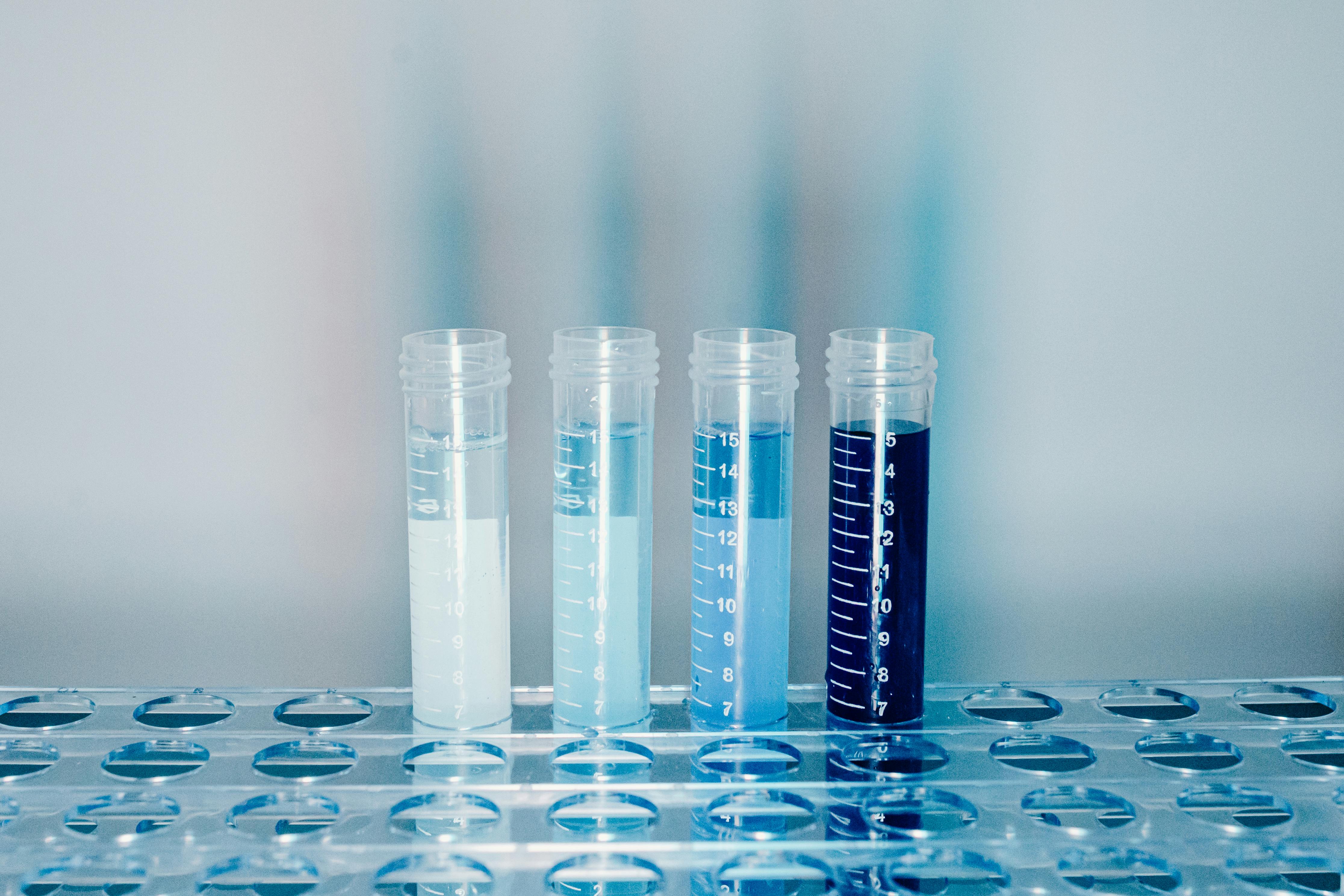
Water chemistry intimidates many pool owners, but the basics are straightforward once you understand what each
measurement means and why it matters. For a deeper dive into what technicians check during visits, read about
professional care and chemical balancing.
Chlorine or bromine sanitizes your water by killing bacteria, algae, and other microorganisms. Maintaining proper
sanitizer levels prevents health hazards and keeps water clear. Too little allows problems to develop. Too much
irritates swimmers and can damage equipment. Most pools function well with chlorine levels between 1 and 3
parts per million.
The pH scale measures how acidic or alkaline your water is. Pool water should stay between 7.2 and 7.8 for optimal
swimmer comfort and equipment protection. Low pH corrodes metal components, damages heaters, and irritates
eyes and skin.
High pH reduces chlorine effectiveness and causes cloudy water with scale deposits. Good pool maintenance keeps
pH stable within this ideal range.
Total alkalinity buffers your pH, preventing it from swinging wildly with each chemical addition or environmental
influence. When alkalinity stays between 80 and 120 parts per million, maintaining stable pH becomes much easier.
Low alkalinity causes pH bouncing that frustrates even experienced pool owners.
Calcium hardness protects your surfaces and equipment. Water naturally seeks mineral balance. Soft water with
low calcium pulls minerals from plaster, grout, and metal components. Hard water deposits scale everywhere. Keeping
calcium between 200 and 400 parts per million satisfies the water's mineral needs without creating problems.
Beyond weekly routines, certain tasks need attention on longer intervals. Building these into your pool
maintenance calendar prevents overlooked items from causing problems.
Filter cleaning frequency depends on your filter type and pool conditions. Cartridge filters need removal
and hosing every four to six weeks during heavy use periods. Sand and DE filters require backwashing
when pressure rises eight to ten pounds above the clean baseline.
A thorough chemical soak for cartridge elements every few months removes oils and minerals that
rinsing cannot eliminate.
Checking water level matters more than many owners realize. Evaporation and splash out reduce water
levels continuously. Low water can damage pumps by allowing air into the system. High water after
heavy rain reduces skimmer effectiveness. Maintain proper levels as part of your regular pool maintenance
routine.
Inspecting equipment monthly catches developing problems early. Listen for unusual sounds from pumps
and motors. Check for leaks around fittings, valves, and equipment connections. Look for signs of corrosion
or wear on visible components. Small repairs now prevent equipment failures later.
Seasonal transitions require adjusted pool maintenance approaches. Spring startup after winter shutdown
needs thorough cleaning and careful chemical balancing. Summer brings peak usage and highest algae risk,
demanding more vigilant care.
Fall means increased debris from dropping leaves. Winter preparation varies by climate but always requires
attention to prevent freeze damage or extended dormancy problems.
The math strongly favors preventive care over reactive repairs. Understanding the financial impact of
good pool maintenance motivates consistent attention to your pool.
Pump replacement costs between $500 and $2000 depending on the model. Proper pool maintenance
extends pump life by reducing strain and preventing damage from unbalanced water. A pump lasting
ten years instead of five represents significant savings.
Resurfacing a pool runs $5000 to $15000 or more depending on size and finish selection. Maintaining
proper water chemistry protects surfaces from premature deterioration. Good pool maintenance can
add years to your surface life, delaying this major expense.
When surfaces become severely stained, an acid wash process can restore appearance without full
resurfacing.
Chemical costs decrease with consistent care. Balanced water requires fewer chemical additions than
water constantly swinging between extremes. Preventing algae outbreaks eliminates expensive shock
treatments and algaecide applications. Regular pool maintenance reduces total chemical spending
over time.
Energy costs stay lower when equipment operates efficiently. Clean filters, properly sized pumps,
and well maintained heaters use less electricity than struggling, neglected systems. The cumulative
energy savings from good pool maintenance add up substantially over years of ownership.
While many pool maintenance tasks fall within homeowner capabilities, certain situations benefit
from professional expertise. Knowing when to call for help prevents small issues from becoming
major problems.
Persistent water chemistry problems that resist your correction efforts often indicate underlying
issues a professional can diagnose. Something beyond basic chemical imbalance may be affecting
your water, from hidden contamination sources to equipment malfunctions.
Equipment repairs beyond basic maintenance should involve qualified technicians. Electrical components,
gas heaters, and complex mechanical systems require proper training to service safely. Attempting repairs
without adequate knowledge risks personal injury and equipment damage.
Algae that keeps returning after treatment suggests circulation problems or inadequate filtration. Severely
neglected pools that have turned green require professional intervention to restore safely.
Major cleaning challenges like severe algae blooms often need professional intervention. The equipment,
chemicals, and techniques required for major restoration exceed typical homeowner capabilities. If you also
have a spa, understanding spa clean safe practices helps maintain both water features properly.
Regular professional pool maintenance visits make sense for many owners. Weekly service from trained
technicians ensures consistent care while freeing your time for actually enjoying your pool. Professional
eyes also catch developing problems that owners might miss.
Orange County Pool Cleaners delivers expert pool maintenance with trained technicians who understand
how proper care extends equipment life and protects your investment.
Test your water at least twice weekly during swimming season, more frequently during heavy use periods
or after significant rain. Testing takes only minutes but provides essential information for maintaining proper
chemistry. Monthly professional testing offers more comprehensive analysis than home test kits provide.
Skipping pool maintenance allows problems to compound quickly. Water chemistry drifts out of balance,
algae begins growing, filters become clogged, and equipment strain increases. A few weeks of neglect can
create issues requiring days of correction and significant expense. Consistent weekly care prevents these
cascading problems.
Yes, many equipment manufacturers require proof of proper pool maintenance for warranty claims. Damage
caused by unbalanced water chemistry, clogged filters, or other neglect related issues may not be covered.
Keep records of your maintenance activities and water test results to support potential warranty claims.
With proper pool maintenance, pumps typically last eight to twelve years, filters last three to seven years
depending on type, and heaters last ten to fifteen years. Surfaces can last fifteen to twenty years or longer.
Poor maintenance can cut these lifespans in half or worse.
Professional pool maintenance often costs $100 to $250 monthly depending on service level and location.
Considering the equipment protection, time savings, and problem prevention this provides, most owners
find professional care worthwhile. The cost of one major repair prevented typically exceeds a full season of
professional pool maintenance service.